
 EN
EN  ES
ES  PT
PT  RU
RU  FR
FR Tired of tape falling off? Bad glues waste money and ruin projects. Read this text to find out exactly how tape sticks so you pick the right one every time.
Pressure-sensitive adhesives are solid glues that stick instantly when you press them against a surface. They do not need heat or water to work. They hold things tightly together and usually peel off without leaving a sticky mess behind.
Understanding how these glues function helps you stop wasting money on the wrong tape rolls.
What is a Pressure-Sensitive Adhesive?
Does your tape drop heavy boxes? It is very annoying when materials fail. Knowing what makes a good glue helps you fix this problem fast.
A pressure-sensitive adhesive acts as a dry solid at room temperature. It feels dry until you push it against something. Once pressed, it bonds two surfaces instantly and holds heavy weights for a long time without breaking.
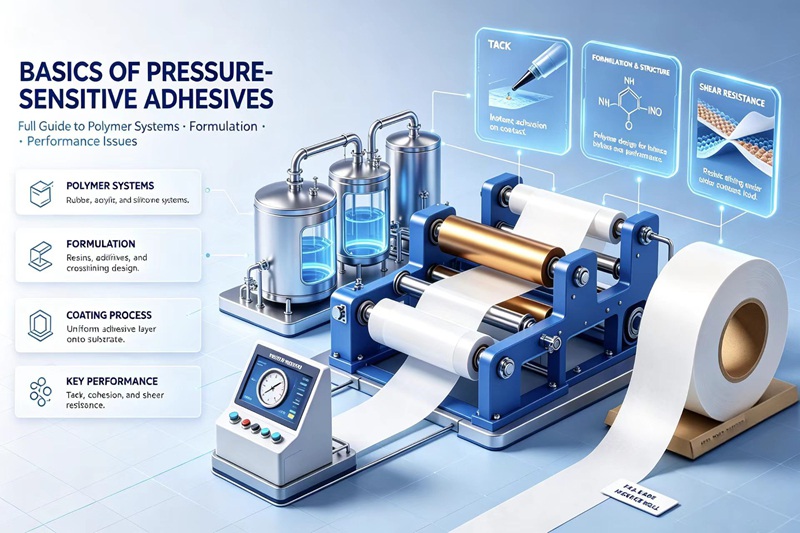
Most glues need to dry. Think about white school glue. You put it on wet. You must wait for the water to leave. These pressure tapes act in a totally different way. They are ready to work right out of the box.
The Main Features
Why do we use these tapes instead of wet glues? Here are the main reasons:
- Dry Feel: The glue is solid. It does not stick to your hands unless you push hard.
- Quick Grab: It grabs the surface fast. Just a light touch starts the bond.
- Holding Power: Once it sticks, it holds a heavy load for a long time.
- Clean Peeling: You can pull many of these tapes off without breaking the item or leaving sticky bits behind.
- Multiple Uses: Some types let you stick, peel, and stick again.
Why Do They Work This Way?
These tapes use a mix of flow and strength. When you push on the tape, the glue acts a bit like a thick liquid. It flows into the tiny bumps on the table or wall. The flow creates the bond. But when you stop pushing, the glue acts like a solid. It holds tight.
If the glue flows too much, it leaves a sticky mess. If the glue is too hard, it will not stick at all. The secret is finding the perfect balance between these two states. The balance decides if a tape handles light boxes or hangs heavy mirrors on a wall.
The Four Major Types of Pressure-Sensitive Adhesives
Buying the wrong tape causes big headaches. Tapes can melt in the hot sun or snap in the cold. Pick the correct family to stop failures.
The four main types of pressure-sensitive adhesives are rubber, acrylic, silicone, and polyurethane. Acrylic handles sunlight best, rubber costs less, silicone survives extreme heat, and polyurethane stretches easily. Each type uses a completely different base resin.
Not all tapes use the same glue. The core part of the glue is called the resin. The resin decides how the tape behaves. Let us look at the four big families of these glues.
Rubber-Based Glues
Rubber adhesives use natural or fake rubber. They stick very fast. They are great for hard-to-stick plastics like heavy trash bags. They cost less money. But they have a big flaw. They hate heat and sunlight. They age fast and get brittle. People use them mostly for basic packing tape, masking tape, and duct tape.
Acrylic-Based Glues
Most tapes use acrylic. Acrylic glues stand up to heat, sun, and chemicals. They stay clear and do not turn yellow. They do not leave much mess behind. The initial grab is lower than rubber. They cost a bit more. You find them in outdoor tapes, double-sided tapes, and electronics tapes.
Silicone-Based Glues
Silicone works in crazy temperatures. It survives freezing cold and extreme heat. It sticks to things nothing else will stick to. The bad part is the price. It is very expensive. It can cost three to five times more than acrylic. It also does not hold heavy weights well.
Polyurethane Glues
These glues are soft and stretchy. They do not mind the cold. They stick well to fake leather. They are great for tapes you want to remove later. But they hate high heat. They also cost a lot.
Quick Comparison Guide
| Glue Type | Best Feature | Biggest Flaw | Common Use |
|---|---|---|---|
| Rubber | Sticks fast, cheap | Hates heat and sun | Packing boxes |
| Acrylic | Handles sun, no mess | Costs more than rubber | Outdoor tape |
| Silicone | Survives extreme heat | Very expensive | High-heat tape |
| Polyurethane | Soft and stretchy | Hates high heat | Car interiors |
How Are Acrylic Pressure-Sensitive Adhesives Made?
Wondering why some clear tapes fail while others hold forever? Bad mixing ruins the whole batch. Knowing the exact recipe helps you spot poor quality products.
Acrylic adhesives mix a base resin with sticky resins, softeners, and curing agents. The base gives the main strength. Added chemicals change how soft the glue feels, how fast it grabs surfaces, and how well it handles hot temperatures.
Making an acrylic glue is like baking a cake. You need the right parts in the exact right amounts. If you change one thing, the whole glue acts differently.
The Main Ingredient: Base Resin
The base resin makes up most of the glue. It is not just one thing. It is a mix of parts called monomers.
- Soft Monomers: These make the glue sticky. If you have too many, the glue sticks fast but pulls apart easily.
- Hard Monomers: These give the glue inner strength. If you have too many, the glue is strong but will not stick well at the beginning.
- Reaction Monomers: These act like hooks. They let the glue link up with other chemicals later.
The main job of the glue maker is to balance the soft parts and the hard parts.
The Extra Parts
You cannot just use the base resin. You must mix in other things to make it perfect.
- Sticky Resins: These help the glue grab things right away. But if you mix in too much, the glue leaves a sticky mess behind.
- Softeners: These make the glue soft and easy to bend.
- Curing Agents: They tie the glue molecules together in a tight net. The net stops the glue from melting in the heat. It also stops the tape from breaking under a heavy load. If you use too little, the tape falls off. If you use too much, the glue gets hard and cracks.
- Extra Helpers: Makers also mix in tiny amounts of things to stop air bubbles, fight sun damage, and add color.
Recipe Table
| Part Name | Amount | What It Does |
|---|---|---|
| Base Resin | 60% to 80% | Gives basic strength and grab |
| Sticky Resins | 10% to 25% | Makes it grab faster |
| Softeners | 0% to 10% | Makes it bend easily |
| Curing Agents | 0.5% to 3% | Makes it hold heavy weight |
Water-Based vs. Solvent-Based Adhesives
Worried about bad smells coming from your tape rolls? Some glues release harsh fumes and cost too much. Choosing the right liquid base fixes this problem entirely.
Water-based adhesives use water to stay liquid until they dry, making them safe and cheap. Solvent-based adhesives use strong chemicals instead. Solvent glues handle heat much better but cost more money and release bad fumes into the air.
When makers put glue on a roll of plastic or paper, the glue must be a liquid. It needs a liquid carrier to make it spread out flat. Once the tape goes through a big oven, the liquid dries up. What is left is the solid tape we use. The liquid carrier is a huge deal in the tape making business.
Water-Based Glues
Right now, the whole world wants things to be clean. Water-based tapes are very popular. They use plain water to carry the glue. When the water dries in the oven, nothing bad goes into the air. There are no toxic smells. They are cheaper to make. Almost all standard clear packing tape uses water.
But they have bad parts. They take longer to dry in the factory. They also do not like sitting in water later. Water makes the glue weak again over time.
Solvent-Based Glues
These use strong chemicals to carry the glue. They dry very fast in the factory oven. They can survive much higher heat. They block water very well.
But they have huge problems. The fumes are bad for the air. Factories spend a lot of money to catch the fumes and clean them. The extra steps make the tape much more expensive. Today, people only use these tapes for hard jobs. You see them inside cell phones or in car engines.
Liquid Carrier Comparison
| Feature | Water-Based Glue | Solvent-Based Glue |
|---|---|---|
| Liquid Used | Water | Strong chemicals |
| Bad Smells | None | High |
| Heat Limit | 80 to 120 degrees | 100 to 150 degrees |
| Factory Cost | Low | High |
Common Tape Problems and How to Fix Them
Tape leaving an ugly sticky mess on your desk? Peeling off at the corners? Bad bonds cause massive headaches. Pinpointing why the glue failed stops future messes.
Common adhesive problems include leaving ugly residue, dropping off plastic boxes, or turning to slime in the sun. You fix these issues by changing the glue recipe. Adding more curing agents stops residue, and switching to rubber helps stick to plastic.
Even good tapes fail if they are used wrong or made wrong. When tape fails, you need to know why. Then you can tell the maker what to change. Here is a breakdown of the biggest issues.
Good Grab But Falls Off Later
Sometimes tape sticks fast. But an hour later, the heavy box pops open. Why? The glue is too soft. It has too many sticky parts and not enough inner strength. The fix is simple. The maker must add more hard parts and put in more curing agent to toughen it up.
Sticky Mess Left Behind
You peel the tape, and a sticky film stays on the table. This happens because the glue breaks apart inside. It lacks inner strength. The fix is adding more curing agents. The agent ties the glue together tightly so it peels off in one solid piece.
Will Not Stick to Plastics
Plastics are hard to stick to. Acrylic glue hates them. The tape will just slide off. To fix this, you must mix in special sticky resins meant for plastics. Or you can treat the plastic surface with electricity to make it rough. The easiest fix is just switching to a rubber-based glue.
Bubbles in the Tape
If you see tiny bubbles or holes in clear tape, the factory made a mistake. They stirred the glue too fast and trapped air. Or they baked it too hot. They need to let the glue sit to let the air out.
Melting in the Heat
If your tape turns to slime in the sun, it has the wrong heat rating. You must switch to a high-heat acrylic or a silicone glue.
Top 5 Tips for Buying Pressure-Sensitive Adhesives
Keep wasting money on bad tape batches? Cheap tricks happen often in glue sales. Follow a strict buying plan to protect your money and keep your products safe.
To buy good pressure-sensitive adhesives, you need to match the glue type to your specific job, check the water amount, test the holding power, ask about curing times, and run small tests before placing large orders.

Buying tape or raw glue in huge amounts is risky. You can easily get cheated if you do not know what to ask. Use these five rules to stay safe.
Match the Glue to the Job
Never use one tape for everything. If you are packing normal boxes, buy water-based acrylic. It is cheap and works fine. If the tape goes on a hot machine, buy solvent acrylic or silicone. If you are taping hard plastic, buy rubber glue.
Check the Solid Amount
If you buy liquid water-based glue, ask for the solid amount. It should be close to half. Some bad sellers mix in extra water to make it look like you get more buckets. Extra water means less actual glue. Your real cost goes up because you have to use more liquid to get the same stick.
Always Test Holding Power
Sellers can easily trick you. They mix in lots of cheap sticky resin to make the tape feel very sticky on your thumb. But sticky does not mean strong. You must test the holding power with a heavy weight. Fake stickiness drops the weight every time.
Ask About the Curing Agent
If you mix the curing agent into the glue, a clock starts ticking. The glue will turn solid in one or two days. Ask the seller if the agent is already mixed in. If it is, you must use it fast.
Run a Small Test
Never buy a big drum of glue or a huge pallet of tape from a new seller right away. Ask for a small sample. Test how it grabs. Test how it holds. Test how it handles heat. Only buy big when the small sample passes every test.
Summary
Pressure-sensitive adhesives are powerful tools if you understand how they work. Knowing the types, recipes, and common problems lets you confidently pick the perfect tape for any job.
FAQs
What is an example of a pressure-sensitive adhesive?
Sticky notes, masking tape, and duct tape all use this glue. You press them down, and they stick right away without needing any extra heat.
Is pressure-sensitive adhesive permanent or removable?
It can be both. Some tapes hold heavy boxes forever. Other tapes pull off easily so you can move them around without ruining the wall.
How long does pressure-sensitive adhesive last?
A good acrylic tape lasts for many years indoors. Rubber tapes break down faster, especially if they sit out in the hot sun.
What is the difference between pressure-sensitive adhesive and regular adhesive?
Regular glue goes on wet and needs air to harden. Pressure tapes are already solid. They stick the moment you push them against a wall.
How do you apply pressure-sensitive adhesive?
You place the tape on a clean, dry surface. Then you press down firmly. Pushing hard forces the glue into tiny surface bumps.
Does pressure-sensitive adhesive dry?
No, it does not dry. It stays in a sticky, rubbery state. That is exactly why it holds things together without turning into a hard rock.